
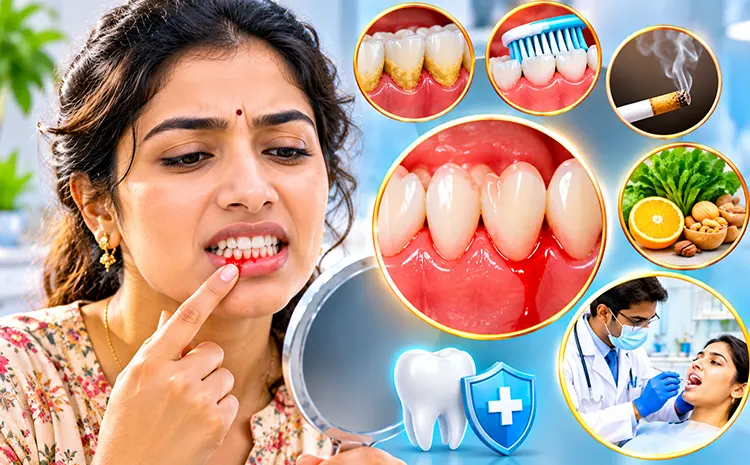
You spit out blood after brushing your teeth. You usually notice it because the dental floss or the spit-out toothpaste in the sink is reddish. Here are a few reasons why your gums might be bleeding, but usually it’s because of plaque buildup or gum inflammation. To deal with bleeding gums, you need to understand what’s causing them, how to make them stop bleeding, and how to prevent it from happening again.
What Does Bleeding Gums Mean?
Bleeding gums usually occur when the gums are irritated or inflamed.
The most common cause: bacterial plaque on the teeth. Such bacteria can irritate the gums. They become sensitive, react more quickly, and begin to bleed, for example, when brushing or eating.
What Are the Common Causes of Bleeding Gums?
| Cause | How it affects the gums |
| Bacterial plaque | Irritates the gums and can cause gingivitis |
| Poor oral hygiene | Allows plaque to accumulate around the gum line |
| Brushing too hard | Can physically irritate or injure gum tissue |
| Vitamin C deficiency | Can contribute to gum bleeding |
| Hormonal changes | Can make gums more sensitive to plaque, especially during pregnancy |
| Blood-thinning medications | Can increase the tendency to bleed |
| Smoking | Increases gum disease risk and can mask signs of inflammation |
Bleeding gums don’t have just one cause. Often, several factors work together:
- Bacteria and poor oral hygiene
- Injuries to the oral mucosa
- Inflamed gums (gingivitis)
- Diseases
- Side effects of medications (e.g., blood-thinning medications)
- Nutrient deficiencies (e.g., vitamin C deficiency)
- Hormonal fluctuations (e.g., during pregnancy)
Is Bleeding Gums Dangerous? Warning Signs You Shouldn’t Ignore
It can be harmless, but it doesn’t have to be. Occasional gum bleeding, for example, can be caused by minor irritation. However, if it occurs more frequently or persists, it could indicate gingivitis. This condition can progress. If left untreated, it can develop into a serious condition affecting the supporting structures of the teeth.
If left untreated, gingivitis can progress to periodontitis, a more advanced form of gum disease that affects the tissues and bone supporting the teeth. This inflammation can damage the tissues and bone supporting the teeth, potentially causing teeth to become loose or fall out.
Why Smokers May Have Gum Disease Without Bleeding
A note for smokers:
The absence of bleeding gums does not automatically mean everything is all right. Smokers can have gum inflammation even if no bleeding is visible. The reason: Smoking can reduce blood flow to the gums and mask some signs of inflammation, making gum disease more difficult to recognize. Therefore, smokers should pay particular attention to other signs such as redness or swelling and attend regular check-ups.
Also Read: Oral Health: 5 Everyday Habits That Harm Your Teeth
How to Stop Bleeding Gums: 4 Steps to Follow
If your gums are bleeding, the most important thing is: don’t stop brushing. This may sound counterintuitive, but it’s crucial.
1. Improve Your Oral Hygiene
Thorough tooth brushing helps to combat the cause.
Proper dental care and oral hygiene are the best way to ensure healthy teeth and gums: this requires brushing your teeth thoroughly at least twice a day. Pay attention to the gum line and use dental floss to remove bacterial plaque from between your teeth. Brushing better doesn’t mean brushing harder, as scrubbing can also irritate and injure your gums.
2. Care for Your Gums
Don’t make the mistake of avoiding affected areas. The problem: The inflammation will persist or worsen.
Better:
- Clean gently but thoroughly
- Consciously care for your gums
If you have sensitive gums, it’s advisable to use a soft toothbrush. Even an electric toothbrush needs to be used correctly to avoid irritating or injuring the gums.
3. Observe Changes in Your Gums
Pay attention to this:
- When does the bleeding occur?
- How often does it happen?
This will help you to better assess the situation.
4. When Should You See a Dentist for Bleeding Gums?
If your gums continue to bleed, arrange an examination with your dentist.
Because:
- An inflammation that is detected early can be treated effectively.
- If left untreated, it can worsen.
If bleeding keeps recurring despite good oral hygiene, you should make an appointment at your dental practice.
The gums will be examined to determine whether gingivitis or another underlying condition is causing the bleeding. If necessary, the dentist can initiate treatment. If you only notice occasional slight bleeding, simply mention it at your regular check-up appointment. Your dentist can determine the possible causes.
Frequently Asked Questions About Bleeding Gums
1. Why Is My Gum Bleeding?
Bleeding gums are most commonly caused by bacterial plaque that irritates and inflames the gums.
2. What Helps Against Bleeding Gums?
Thorough oral hygiene, regular brushing, and plaque removal are essential. If in doubt or if symptoms persist, consult your dentist.
3. When Should I Go to the Dentist for Bleeding Gums?
If gum bleeding occurs frequently or does not go away.
4. Is Bleeding Gums Dangerous?
It can be an early warning sign of inflammation and should not be ignored.
5. Can Gums Bleed Even Though There Is No Inflammation?
Yes, occasional bleeding can also be caused by minor mechanical irritation, for example from brushing too hard or using dental floss. However, if the bleeding occurs repeatedly or persistently, it is more likely to indicate inflammation.
6. Why Do Gums Bleed More Often During Pregnancy?
Hormonal fluctuations during pregnancy can make the gums more sensitive. As a result, they react more quickly to bacterial plaque and bleed more easily.
7. What Role Does Diet Play in Bleeding Gums?
A deficiency in certain nutrients, such as vitamin C, can make gums more prone to bleeding. A balanced diet therefore also supports gum health.
Also Read: Taking Care Of Your Teeth: 7 Good Habits To Strengthen Them